"The Rai Shamans Who Act as Custodians of the Culture and History of a Community."
Abstract : This paper tries to examine the importance of Rai Shamans popularly known as “Bijuwas”in the Rai community through research and interview. The interview was conducted with Mr. Mohan Rai who is a Sili Mangpa residing in Lebong, Darjeeling . The paper deals with the origin, role and contemporary position of Bijuwas in modern society. It aims at providing an understanding of the importance of Bijuwas and how they preserve the culture, identity and history of the Rai community.
Introduction : The paper is an aim to investigate into the shamans of the Rai community known as the “Bjjuwas”. It traces the origins of the Rai people and how the Bjjuwas play a vital role in keeping the culture, traditions and practices of the community alive. It inspects the historical and cultural importance of the Bijjuwas and also throws light on their contemporary position in society.
Methodology : This research adopts a qualitative/quantitative approach using primary sources from articles like “Functions of Nachhung (Shaman) in the Chamling Rai in Eastern Nepal” by Rai Pushpa Raj . Oral narratives were also combined which was collected through interview highlighting the different aspects of the Rai shamans contributing greatly to my research. The prime limitation to this reserach was the scarcity of written sources on the history and culture of the Rai people.
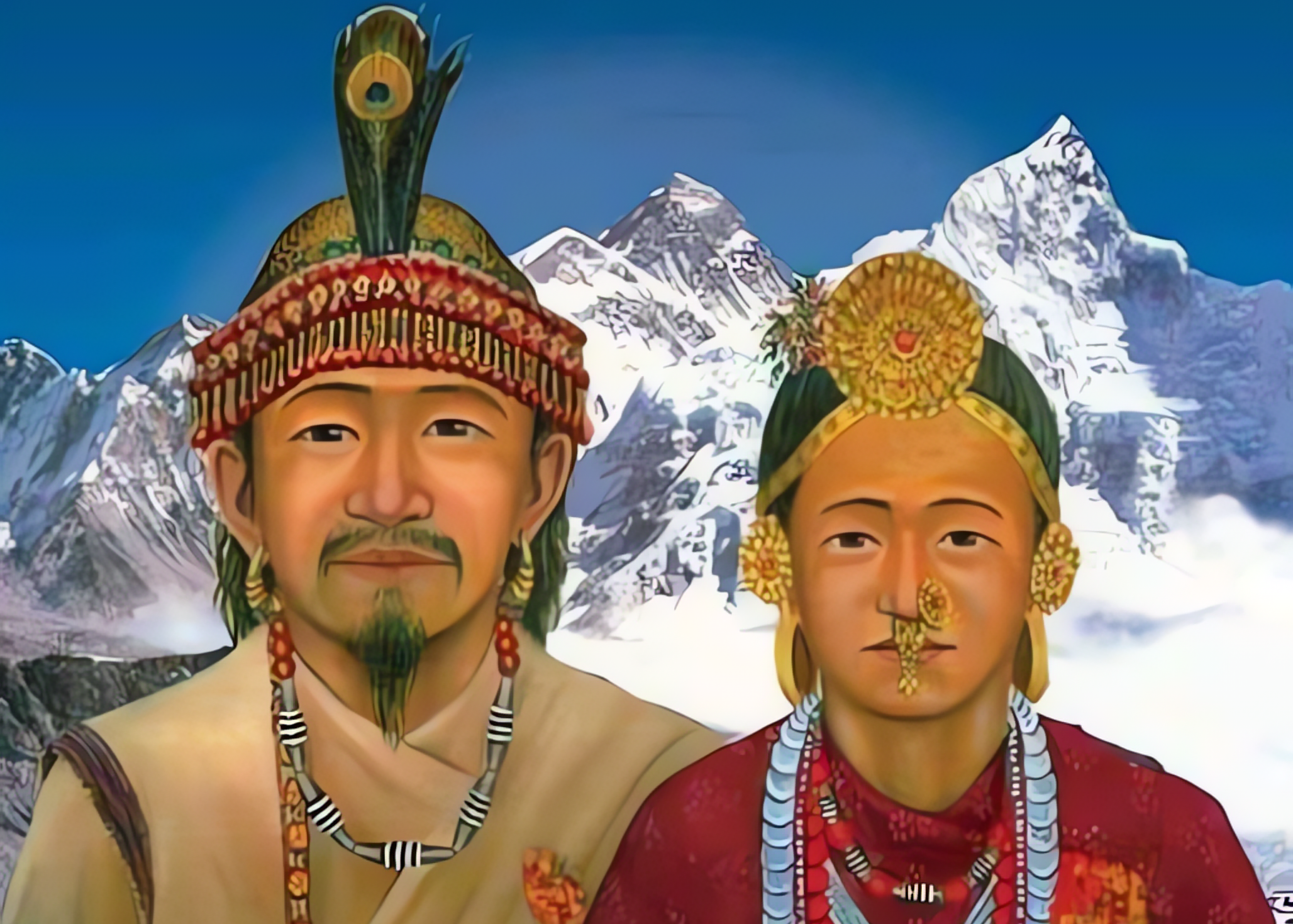
Who are the Rai People? Historically there are no concrete evidences of the exact origin of the Rai community. With the help of folklores and researches historians conclude that the Rai people belonged to the 'Kirat Desh”. The dynasty is believed to have been located in modern Nepal which was then divided into “Wallo Kirat" ,"Mahja Kirat" and "Palo Kirat" which mean near Kirat, middle Kirat and far Kirat respectively. The term ‘Kirati" is an umbrella term which encompasses the different ethnic groups which resided in the Eastern Himalayas like "Limbu”, "Yakkha" and "Sunuwar” . Rai is one from these different ethnic groups which have various similarities but also have their own unique culture, religion,festivals and language. However, the term Rai is also an umbrella term for the different types of Rais that are divided for different reasons. The different tribes that Rai people belong to is known as a "Thar".
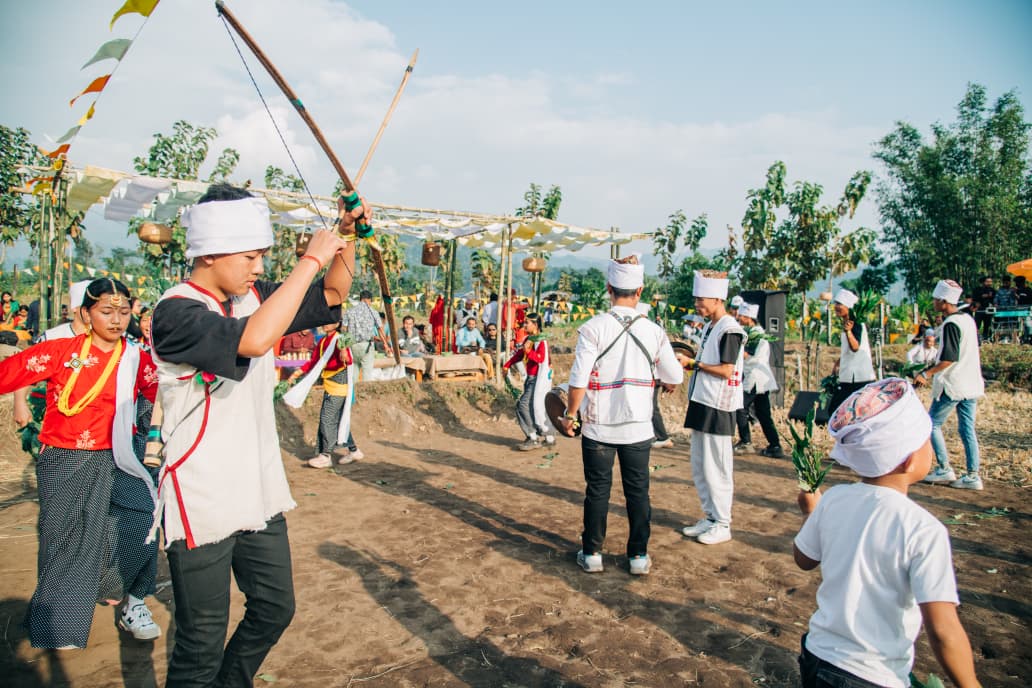
The “Thar' of a Rai is a result of different circumstances like their "Paccha’(lineage) ,their "Samait' (class) and other reasons like migration or marriage. There aredifferent “Thars” like "Chamling’,"Bantawa’,"Khaling’,’Atphariya”and "Wambule" but they all consider themselves as Rai nonetheless. Sometimes the word "Khambu”is also used alternately in place of Rai. This is because it is believed that due to their bravery and marshal qualities the Rais were often appointed as chiefs or commanders in the army of king Prithivinarayan Shah. Hence, the "Khambu"which translates into "chief" or "headman" is also often alternately used in place of Rai.
The Rai Religion : The Rai’s religion is heavily based on the worship of nature and ancestors. The elements of animism and manism can be heavily traced in their religious beliefs and practices.
According to the Rai "Mundum” (heritage) which is passed down from one generation to the other in the form of “Tuturi Beth' (oral tradition) the Rai believe in the worship of the different forces of nature like the "Henkama" (earth), "Minaaama” (sky) and "Sohun”(river). The Rai also believe in "Sumnima-Paruhang"as the supreme dieties of the entire Kirati community where "Sumnima" is believed to be the Goddess of Earth and “Paruhang”the God of sky.
Unlike the major religions the religious and spiritual teachings of the Rai community is not readily available and preserved largely through oral traditions. Like the many minority communities the survival of the beliefs, stories and traditions of this community is largely dependent on oral tales and rituals performed by Shamans.
A Brief Introduction to Shamanism : Shamanism does not have a single definition that has been unanimously been agreed upon. Different social historians have traced the etymology of the word to different sources of origin. Mircea Eliade states that shamanism may been derived from the Sanskrit word "sramana" which was used to designate spiritual monks in India. Other historians believe that the term may have been adopted from the Tungusic language of Siberia "sadman”connected to Tungusic word “sg” which means "to know". Anthropologist and archaeologist Silvia Tomaskova argues that the word shaman was used to refer to the non-Christian indeginous people of the Ural mountains by the Europenas.
While there seem to be no exact definition of shamanism English historian Ronald Hulton has pointed out four characteristics of a shaman which seem to be similar in all ethnicities. Firstly, he states that a shaman is "anybody who contacts a spirit world while in an altered state of consciousness”. Secondly , that they are people who can contact the spiritual world. Thirdly, they are people who act as "healers’ or "witch doctors" and lastly, that that shamanism is mostly associated with Asia.
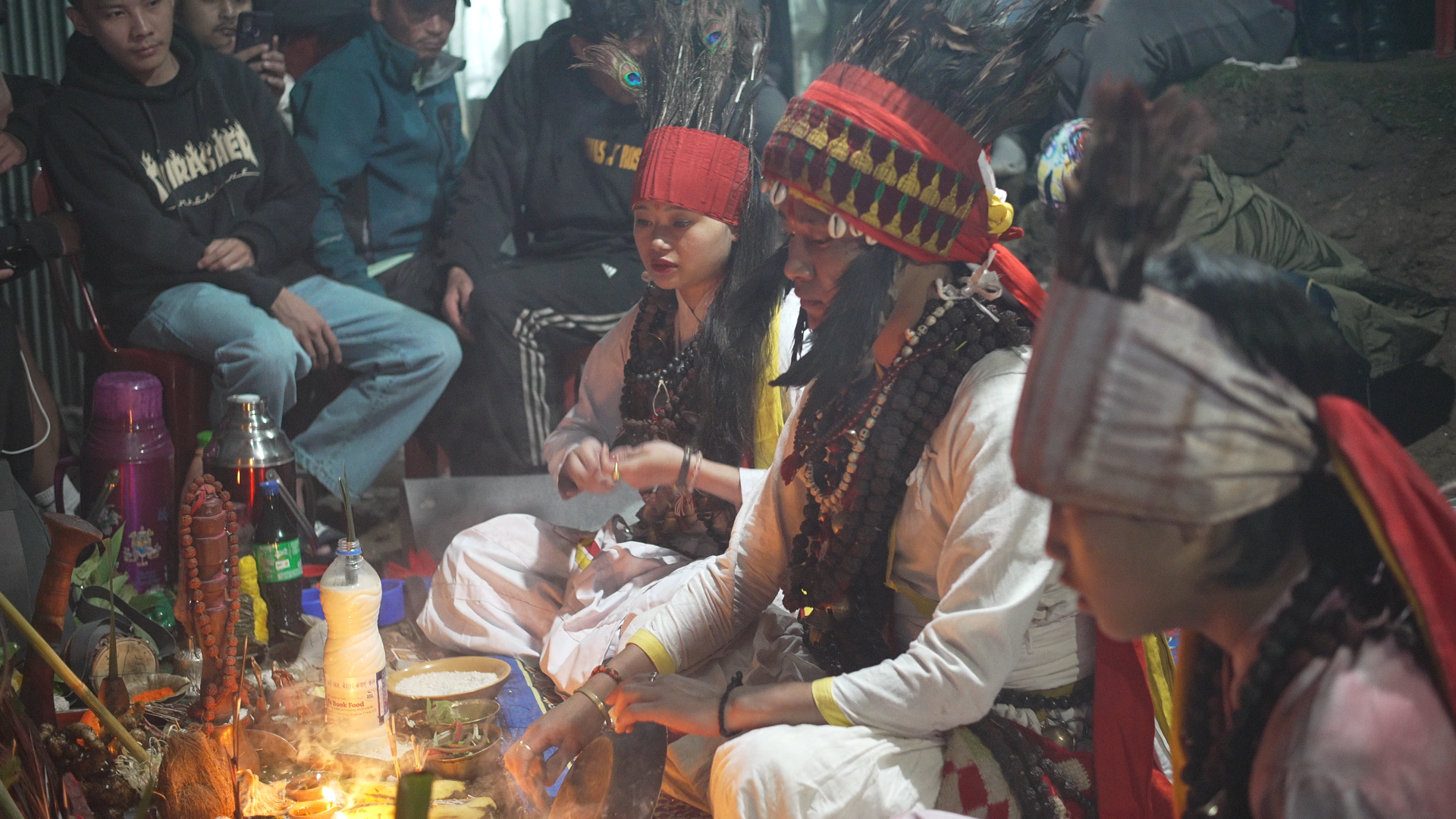
Who are Rai Shamans? The Rai Shamans are often clubbed together as Bijuwas. However, they have different names according to their tribes and jobs. The term Bijjuwais a Nepali term which evolved homogenising the entire different Shamans into one group and replaced them as the modern franca lingua.
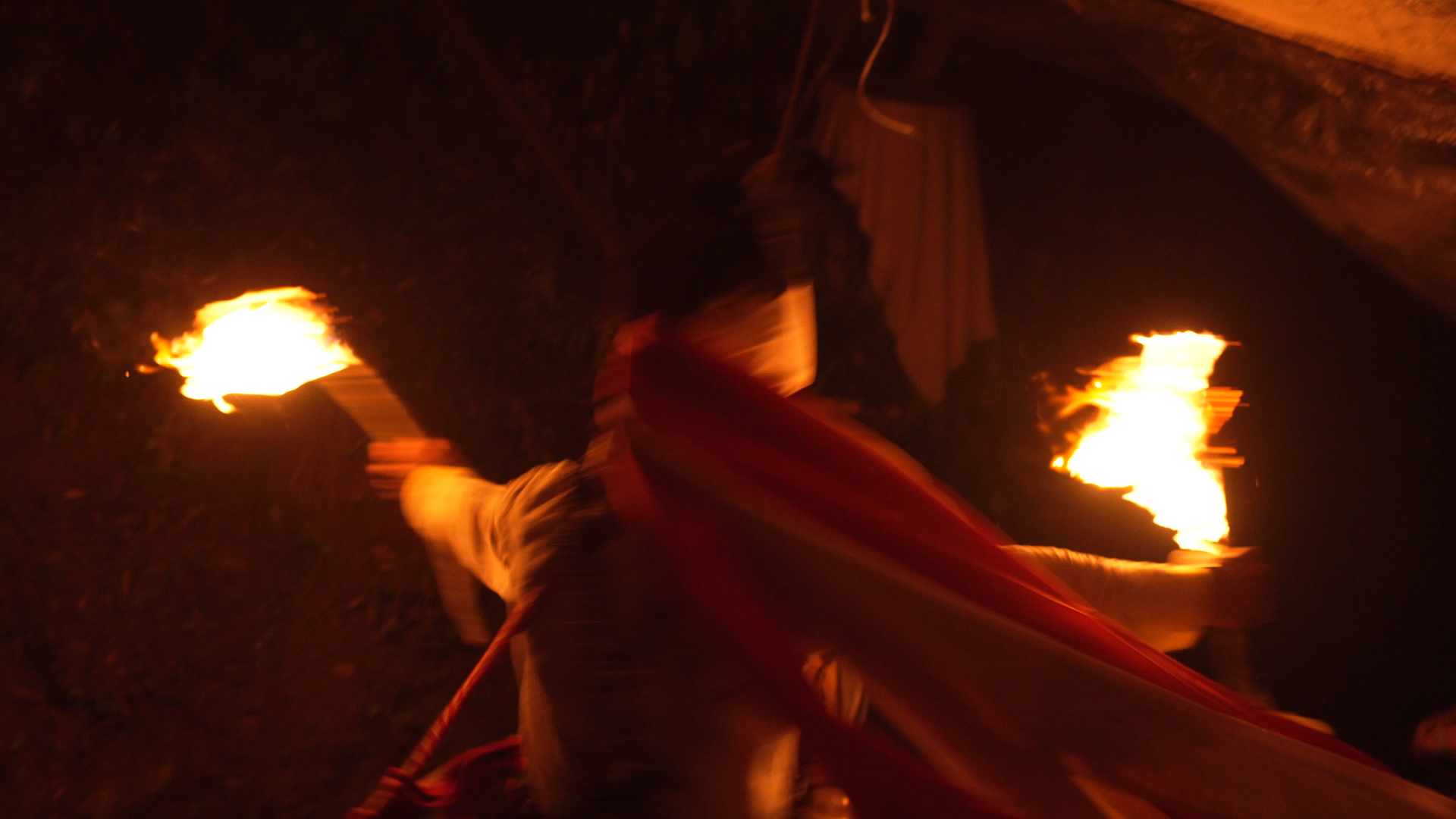
It is believed that the Rai Shamans did not originally exist in the way that they do today. The Rai folklore tells the tale that the Kirati community may have originated after the marriage of “Hechakuwa'or “Hechakuppa” and “Nalungma’(river goddess). When both of them fell ill “Nalungma” requested Hechakuwa to become a Bjjuwa.
“It was an age of supernatural powers, he was able to do that due to it being the satya-yug (an era of truth). | believe Hechakuwa to be the first Bijuwa. He is our father figure. He started the entire culture of celebrating festivals and the 1 worship of the ‘chula dunga'" ( a place of worship where three stones are places each representing 'Hechakuwa), ‘Nalungma'and the supernatural forces of nature) -Mohan Rai(Sili Mangpa)
Today in the modern society it is believed that boys and girls receive a “calling” from the “chula dunga” These youngsters have to take up a guru usually a “Mangpa”and learn all about the Rai folklore knows as “Sili”. After the master the “sili”they become Bijuwas.
The Bijuwas are heavily embedded in the day to day life of the Rai community. They are the ones who are required when a child is born to a Rai household or when there is a death. Festivals are celebrated with the rituals, songs and dances that they perform. They are an irreplaceable existence who are deeply involved in the cultural practices of the Rai people:
1.In Birth : After a baby is born in a household there is a ceremony known as “Chumbukli” (the removal of the amical cord). It is celebrated after 5 or 7 days depending upon the gender of the baby. It is the Bjjuwa who welcomes the baby into the family and then only the grandmother names them. The Bijuwa is responsible for performing the “Nungwakma” or submitting the child to the “samka"”(chula dunga).
2.During Festivals: A section of the Bijuwasknown as the “Mavi Hang” are responsible for performing the puja of the "kool'( place where the ancestors reside i.e, the Chula dunga). During festivals like “Sakhela” or “Sakhewa”they perform rituals which honor the “Henkama” (Earth), the “Minaama”( Sky) , the “Sohun”( River) and “Nayukhman” (Serpent).
A "Mavi Hang"|s someone who does not perform “chinta’{ a practice where the Bijuwas help the soul of the departed rest peacefully). “A ‘Mavi Hang’ doesn't involve themselves in helping the soul of the departed, especially, if it is an unnatural death. They are not powerful enough to do that” -Mohan Rai.
3.As Healers: The Kirati community who resided in the mountains did not have access to hospitals as such. It was the Bijuwas who prepared medicines from natural resources and medicinal plants to heal people. Modern technology and medicine have to a large extent replaced the Bijuwas, however , during emergencies and in rural areas people still turn to Bijuwas are immediate relief.
4.Dance and Music: “Sili Mangpa”or the “teacher of dance” is another type of Bijjuwas who teaches the traditional dance and songs. They are Bijuwas who master the knowledge of the different dances, songs and folklores and pass it down to the younger generation.
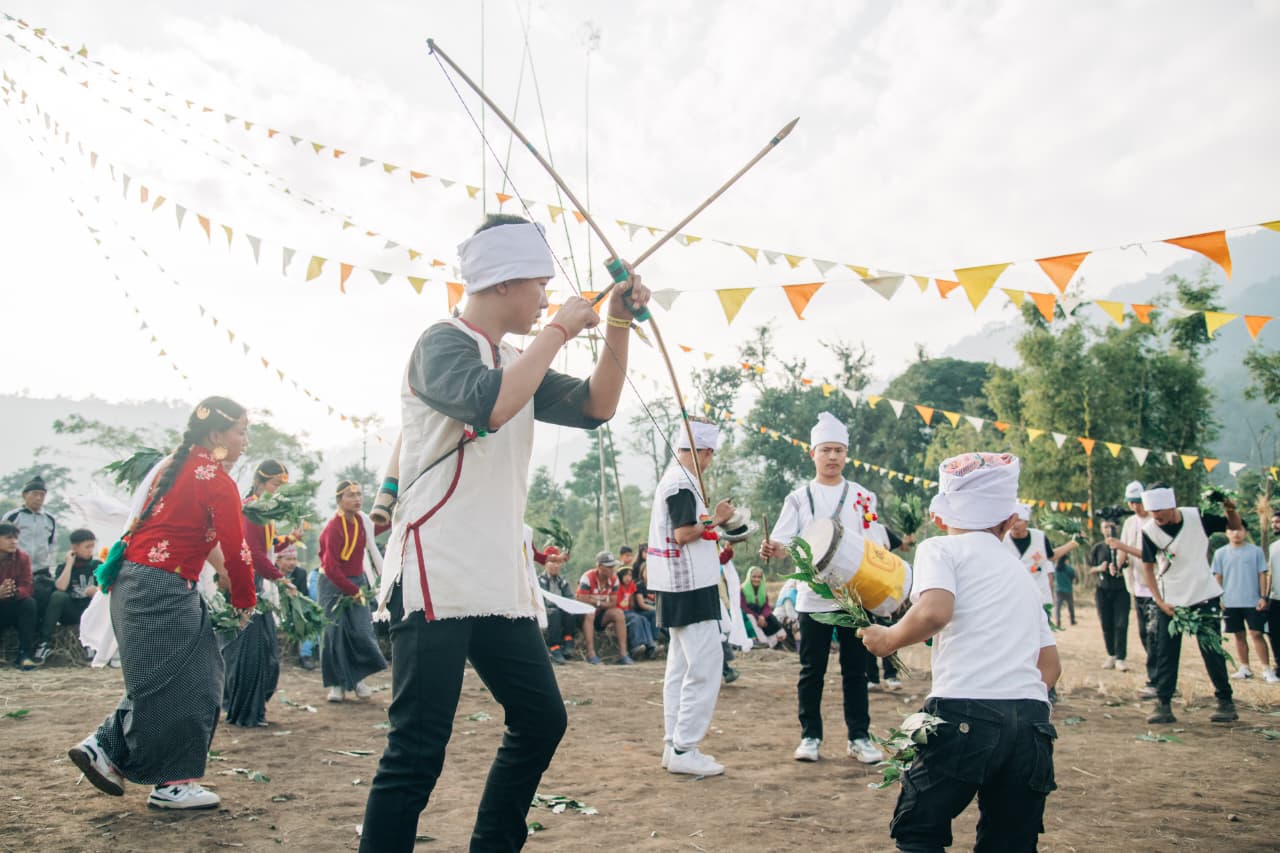
5.In Death: Bijuwas known as the “Mangpa”or “Nachung”are the ones who are responsible for guiding the soul of the departed. They perform “chinta”and help the souls of the departed to rest in peace. In cases of untimely and unnatural deaths like death by suicide or an accidents the “Mangpa” gives these souls residence in the different parts of the house like the garden or the threshold.
Female Bijuwas : Female Bijuwas are known as “Mangma”. It is believed that they flourished in the earlier years but have decreased during the modern period. The Rai community which does not have strict gender rules is believed to have the equal number of male and female Bijuwas.
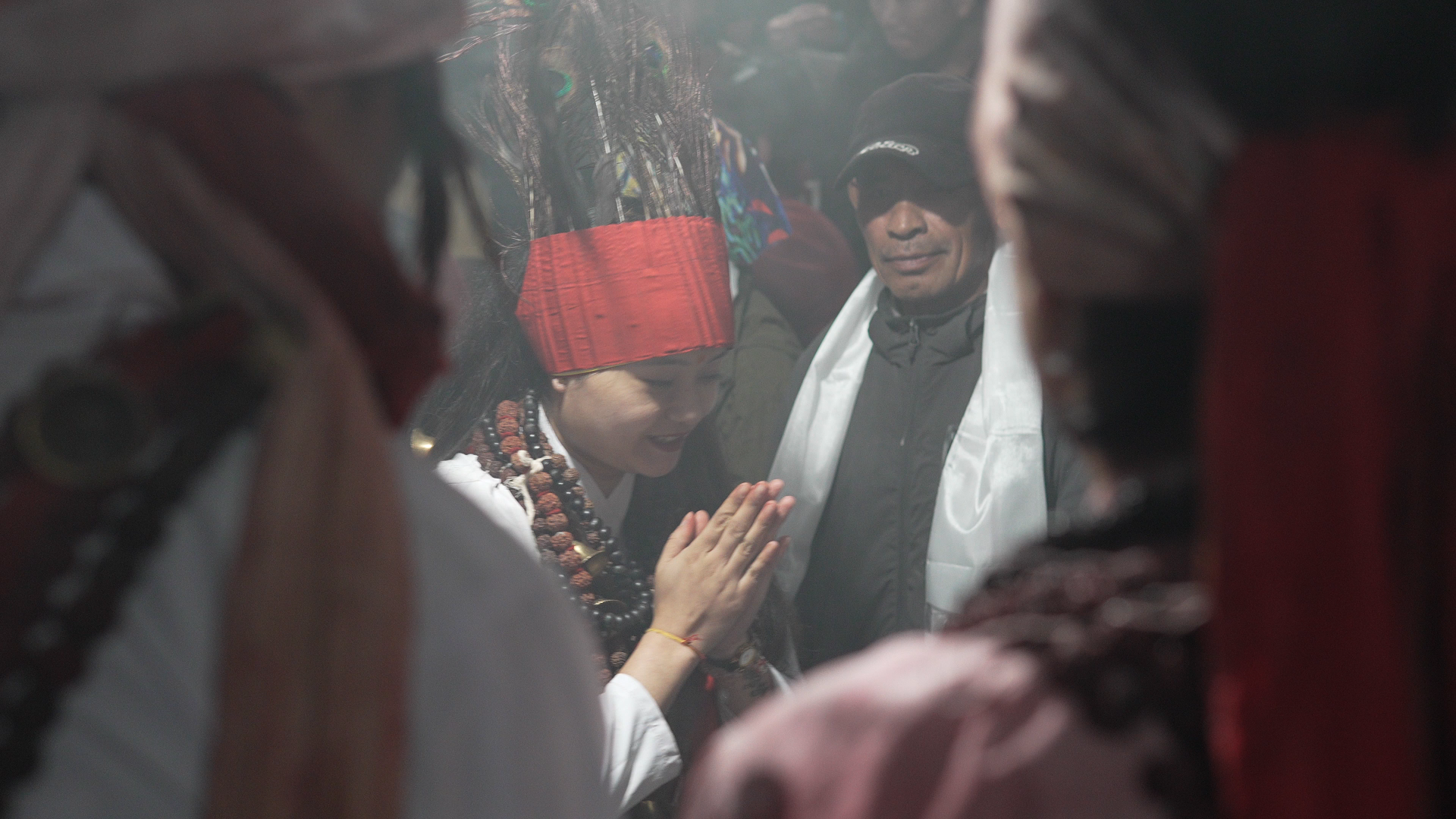
“The same amount of boys and girls receive their callings but women show reluctance due to the changing times, especially due to the difficulty of not being able to travel whenever and wherever when required”.- Mohan Rai.
The Importance of Bijuwas : “In the Rai community we need Bijuwas because we do not worship Gods or idols as such. Ours is a culture where we worship our ancestors with the help of folklore passed down to us by the Bijuwas”™ Mohan Rai.
The “Mundum’ heritage) is passed down from one Bijuwa to another from their “guru” in the form of “Tuturi Beth'( oral tradition”. This “Mundum”which includes all the folklores about the origin of the Kirati community , their festivals,rituals,cultures and their songs and dances is what keeps the community alive. Like the many minority communities the survival of the beliefs, stories and traditions of this community is largely dependent on oral tales and rituals performed by the Bijuwas becomes the only historical evidence that the Rai community can fall back to.
The Position of Bijuwas in Contemporary Modern Society : Though Bijuwas are still respected in the contemporary society there is a decrease in youngsters who would want to take up this path. One from the many reasons is the decline in oral traditions. Oral traditions where Bjjuwas would tell youngsters about the different folklores no longer exists. Another reason is attributed to scientific modernisation.
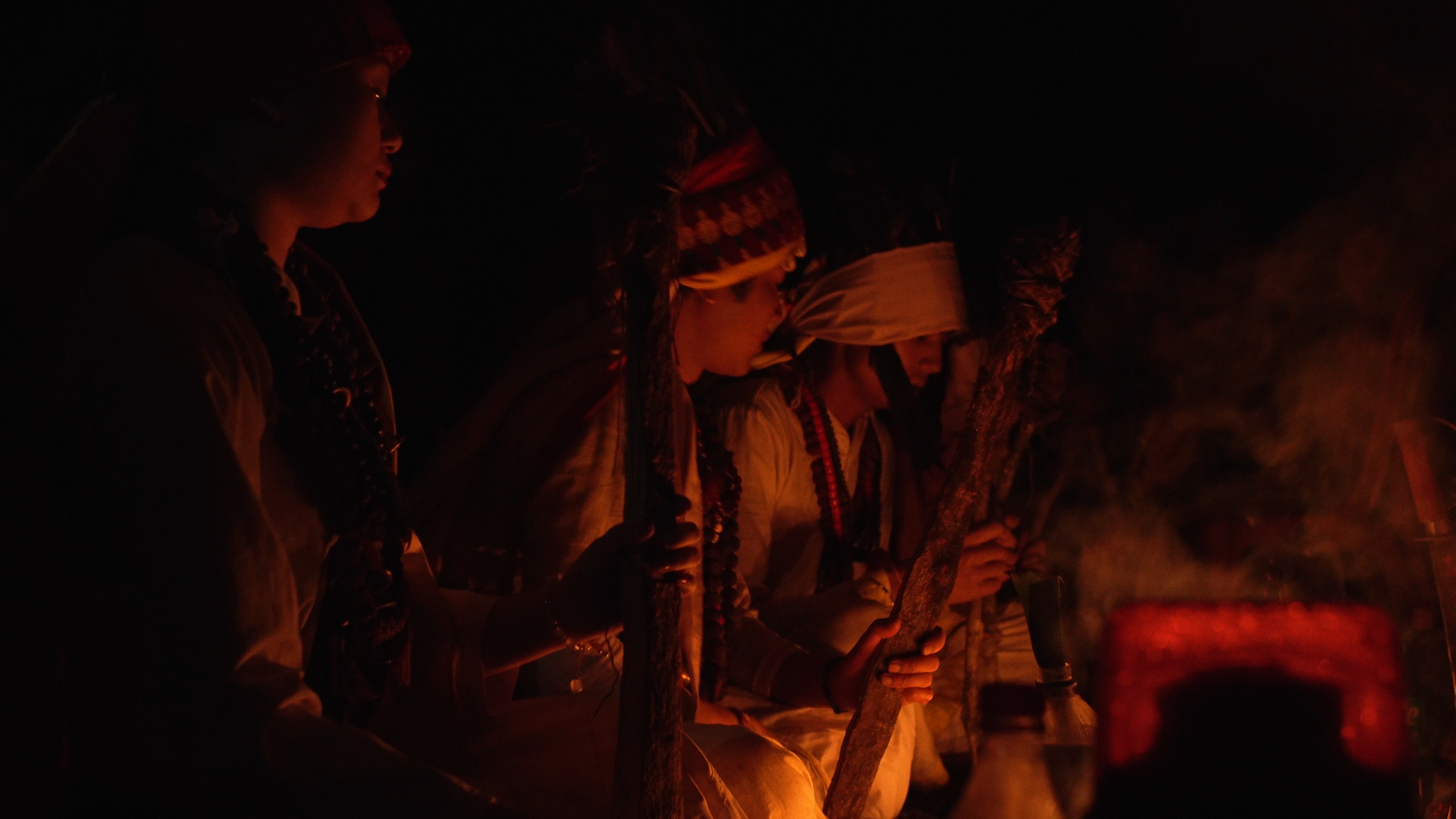
“Even if the children receive their callings to become a Bijuwa they do not accept it because they are embarrassed to accept it due to modernisation”. -Mohan Rai.
The Rai community still heavily depends upon the Bijjuwasto perform various rituals and rites. The practice of "Chinta” when there is a death in a family or while celebrating festivals Bijuwas are still sought after. While there is a decrease in the passing down of the "Mundum”due to modernisation the position of the Bijuwas still remains as a respectable one.
Conclusion : Bijuwas play an importance role in preserving and passing down the “Mundum”of the Rai community . They are an indispensable part of the community for they keep the belief systems and culture of the Rai community intact and alive. The loss of Bjjuwas would result in the grave loss of the Rai heritage.
References : 1.Rai Puspa Raj,”Functions of Nachhung (Shaman) in the Chamling Rai in Eastern Nepal”.
2.Rahul Ganguly,”BEYOND THE PRISM OF RELIGION: UNDERSTANDING RAI WAYS OF BELONGING IN DARJEELING’(The Sikkim Project).
3.Dr Shiva Kumar Rai, “Kirat Khambu Rais of Sikkim and Eastern Himalayas”.