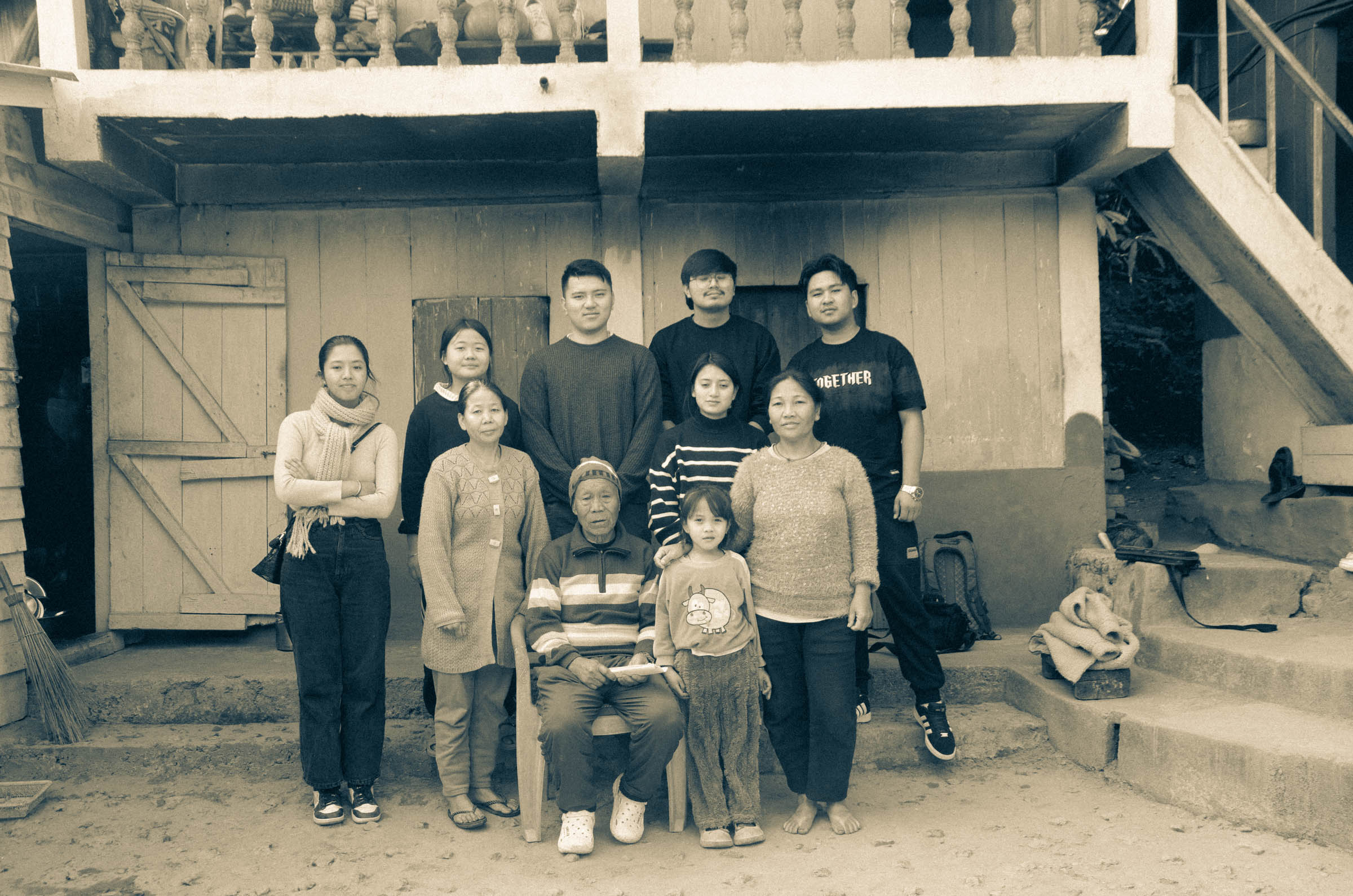
In the heart of the Eastern Himalayas lies a rich cultural heritage that has endured for centuries. The rituals and spiritual practices of the indigenous Kirat community, including the Rai peopple, are deeply intertwined with nature
Read More Feb 23 2025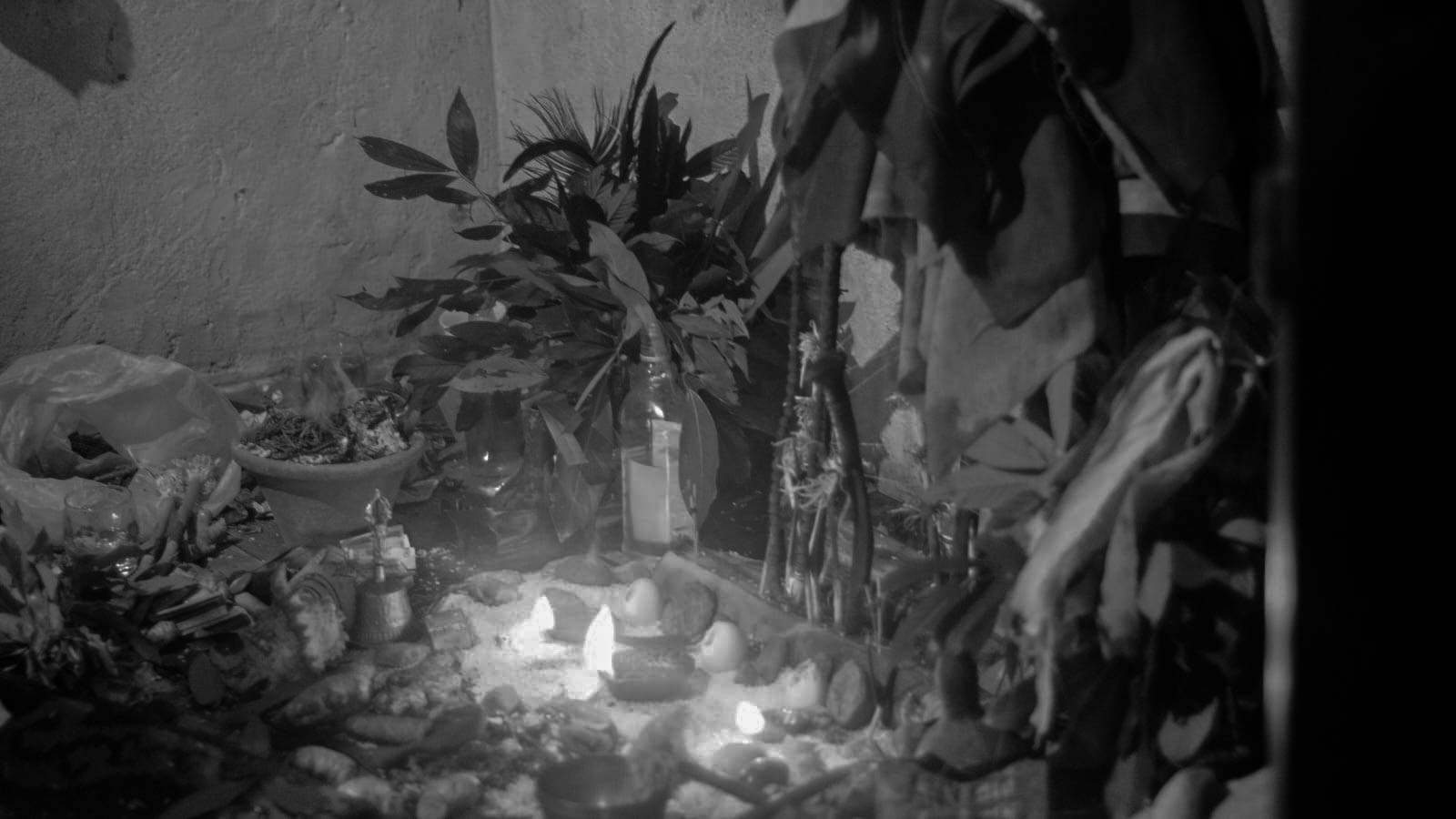
The Enigmatic Death Rites of the Khambu RaiThe Chinta ritual is a mesmerizing and mystical ceremony deeply woven into the cultural tapestry of the Khambu Rai community. This sacred rite serves as a powerful bridge between the world of the living and the realm of the ancestors,
Read More Feb 26 2025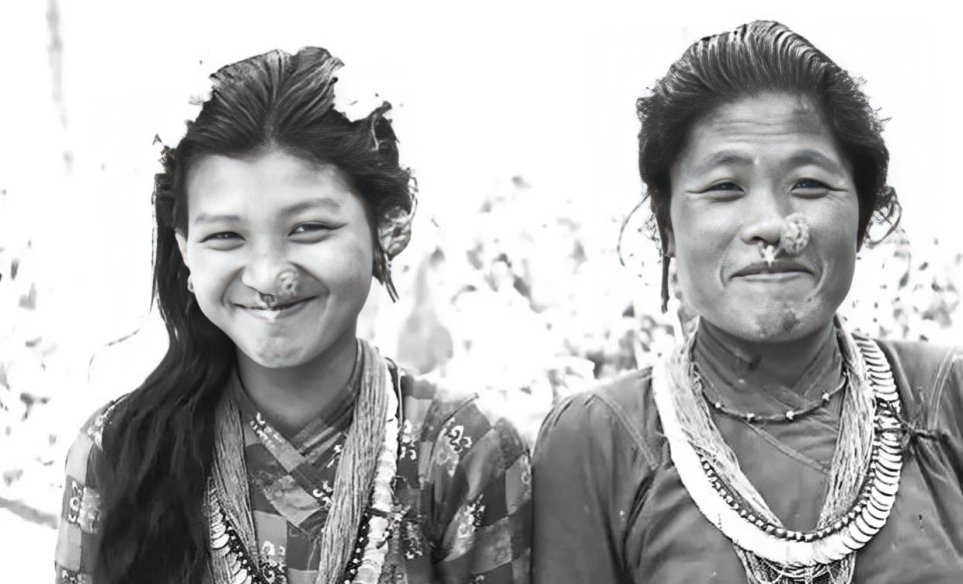
The Darjeeling Hills, nestled in the Indo-Himalayan region, embody a fascinating blend of geographical, historical, and cultural influences. This region, positioned at the border of India and Nepal in the upper reaches of northeastern West Bengal, is home to a diverse mix of communities.
Read More Mar 03 2025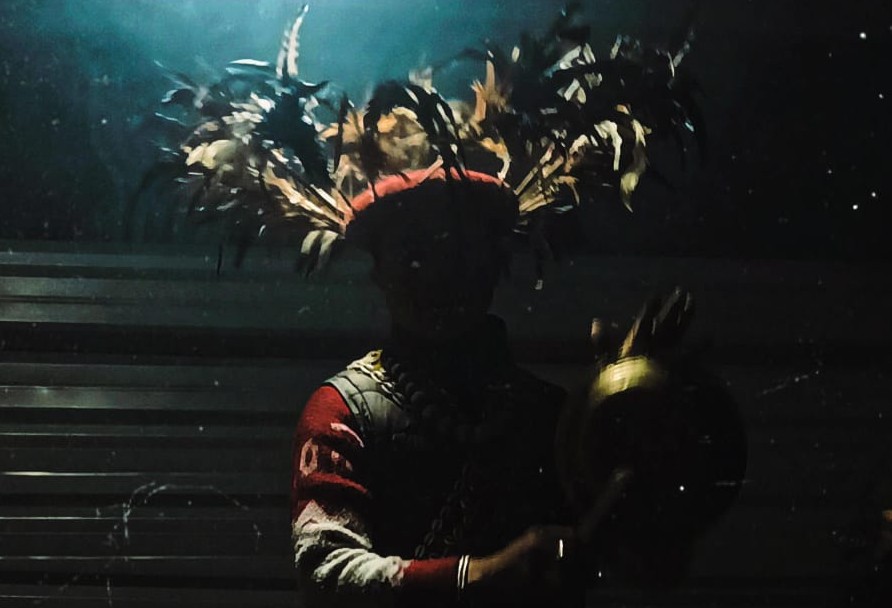
चिन्ता शब्दको अर्थ नेपाली समुदायमा फरक-फरक सन्दर्भमा प्रयोग गरिन्छ। विशेष गरी राई (Rai) समुदायमा चिन्ता एक महत्वपूर्ण धार्मिक तथा सांस्कृतिक अनुष्ठानको रूपमा चिनिन्छ। चिन्ता अनुष्ठान मुख्य रूपमा मृत्युपछि गरिने विशेष क्रियाकलाप हो, जसको उद्देश्य मृत आत्मालाई शान्ति प्रदान गर्नु, परलोक गमनलाई सहज बनाउनु तथा समुदायको सामाजिक संरचनालाई बलियो बनाउनु हो। यसले परिवार, आफन्त तथा समाजलाई मृतकप्रति श्रद्धा अर्पण गर्ने अवसर प्रदान गर्छ।
Read More Mar 31 2025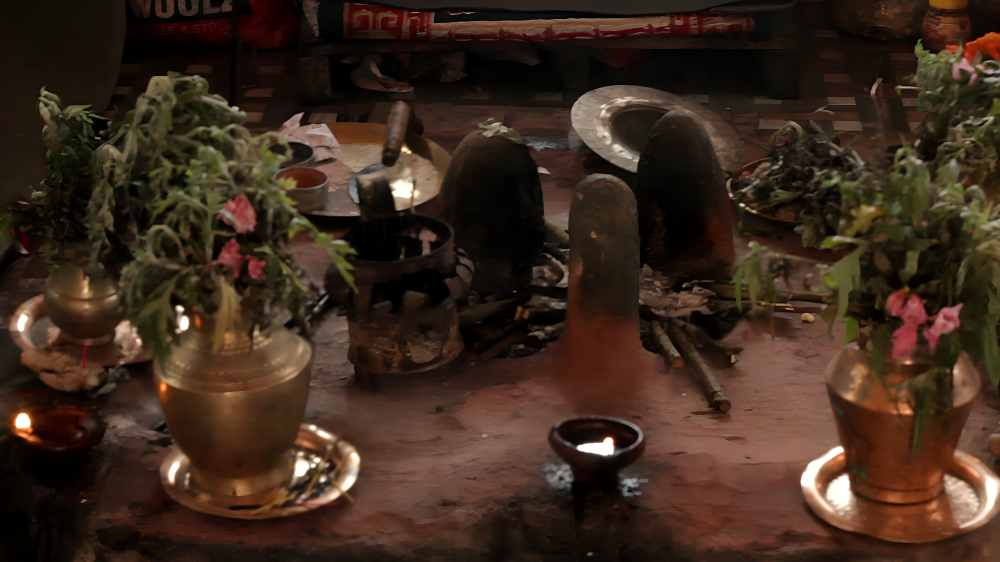
In the heart of every Rai household, there’s a quiet fire that tells the loudest stories. It doesn’t roar—it glows. It doesn’t move—but it holds generations together. This fire burns within the Chuladhunga, a sacred triangle of stones nestled in a space known as the Samkhalung or Chulakotha.
Read More Apr 13 2025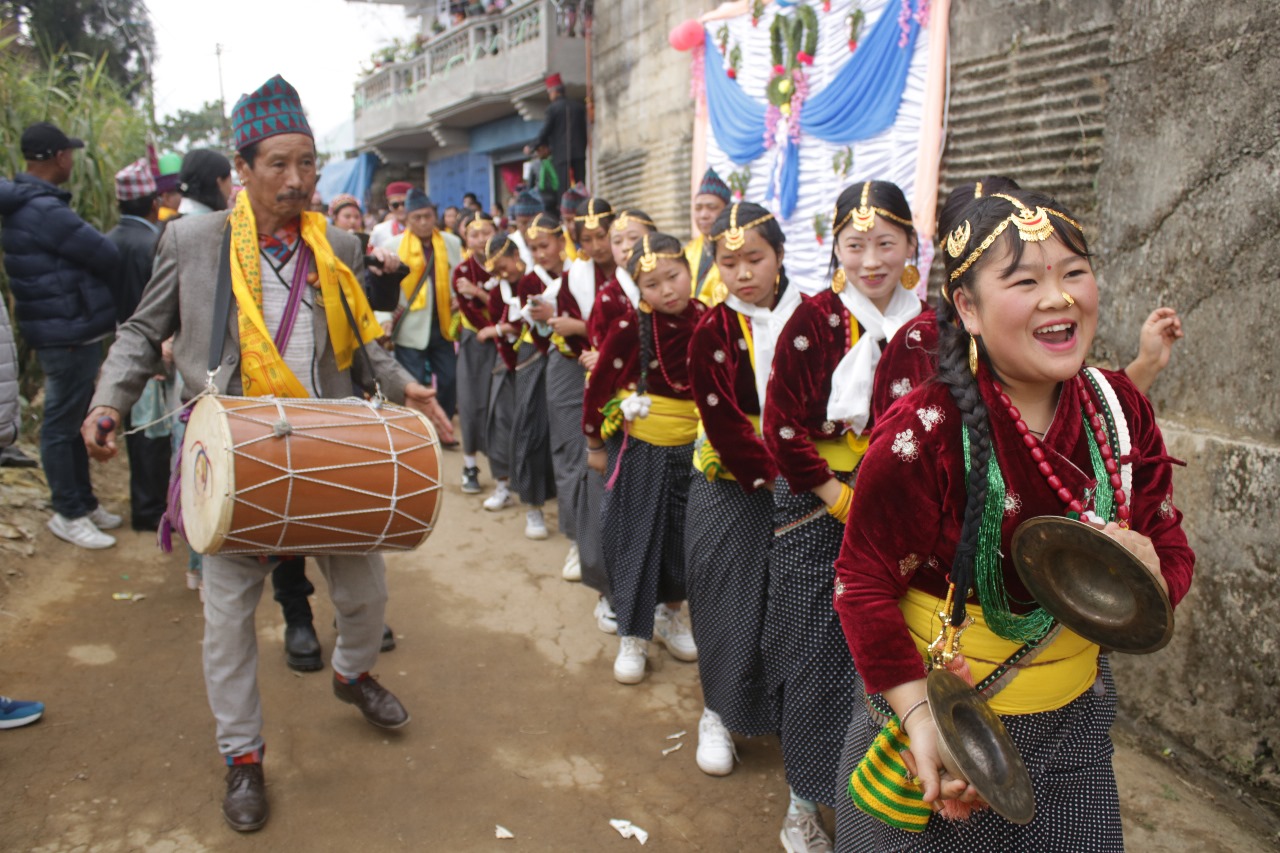
Nepali proverbs such as “Jati Rai tyeti kura” (as many Rais, as many dialects) and “Dus Rai, Das Bhasa: Ek chula” (many Rais and many languages, but one hearth) reflect the internal diversity of the Khambu Rai group. This diversity is most evident in their clan structure, languages, customs, and traditons.
Read More Apr 13 2025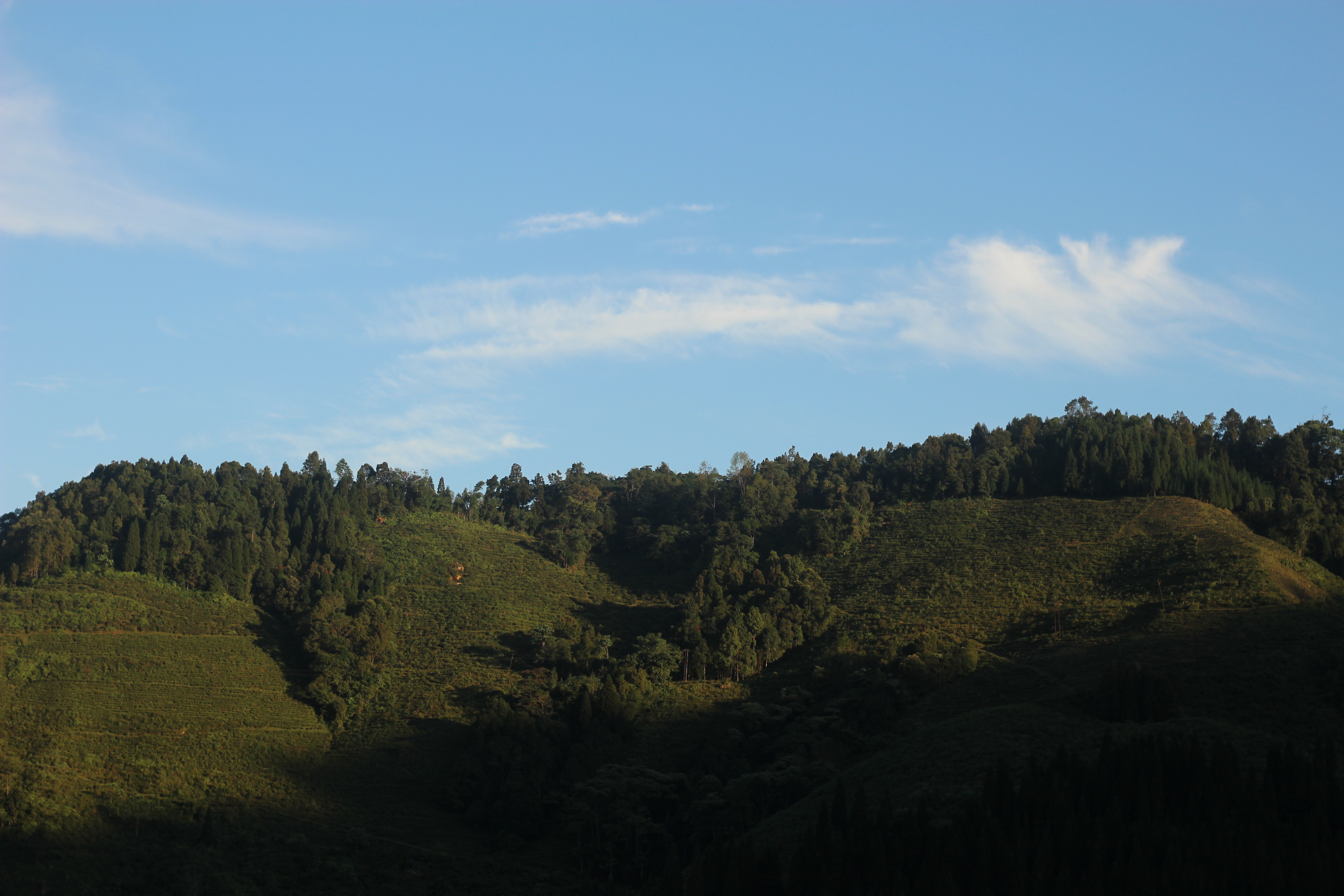
Long ago, in the distant past, Paruhang, the god of the sky, was wandering the earth in search of a worthy partner. He had heard of a beautiful goddess named Sumnima, who was said to reside in the mountains.
Read More May 11 2025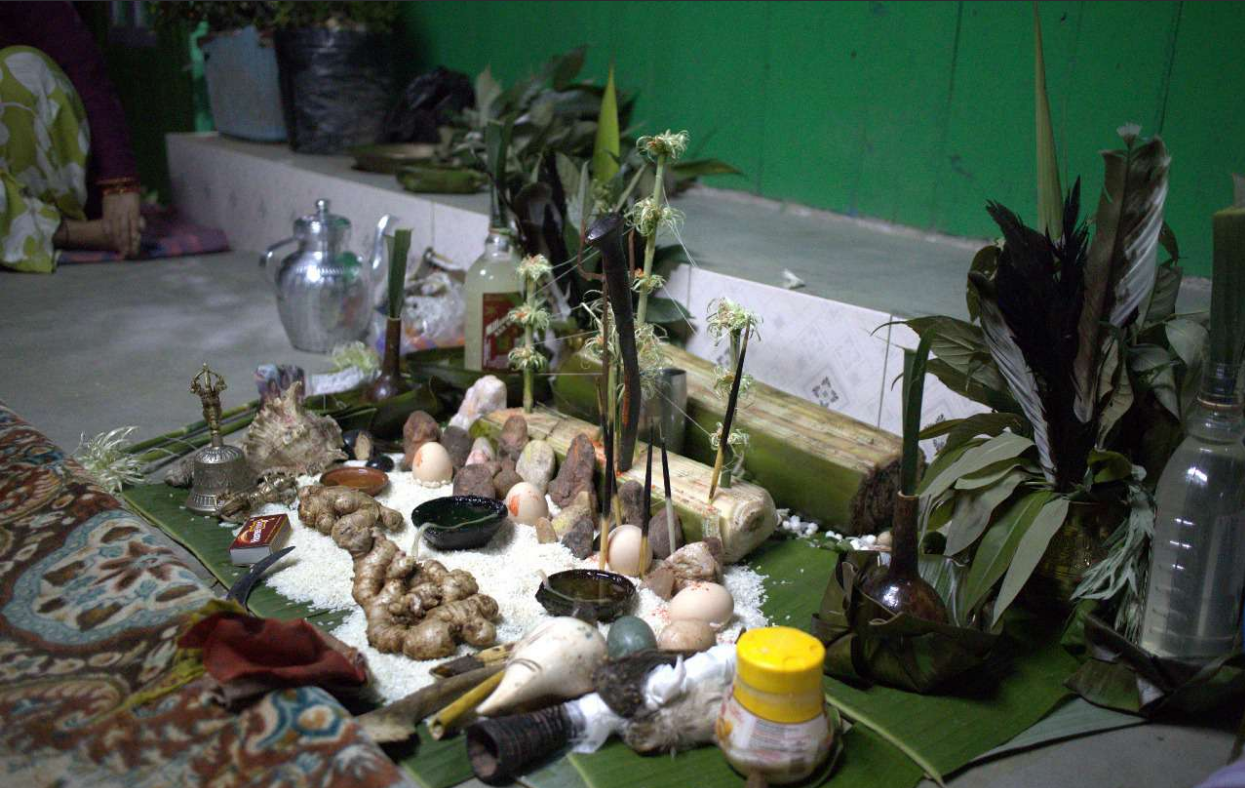
To cure diseases, remove hexes, curses, and restore spiritual balance. 1. Ground Preparation The ritual space is first purified using gobar (cow dung), believed to ward off negativity and sanctify the ground
Read More Jun 20 2025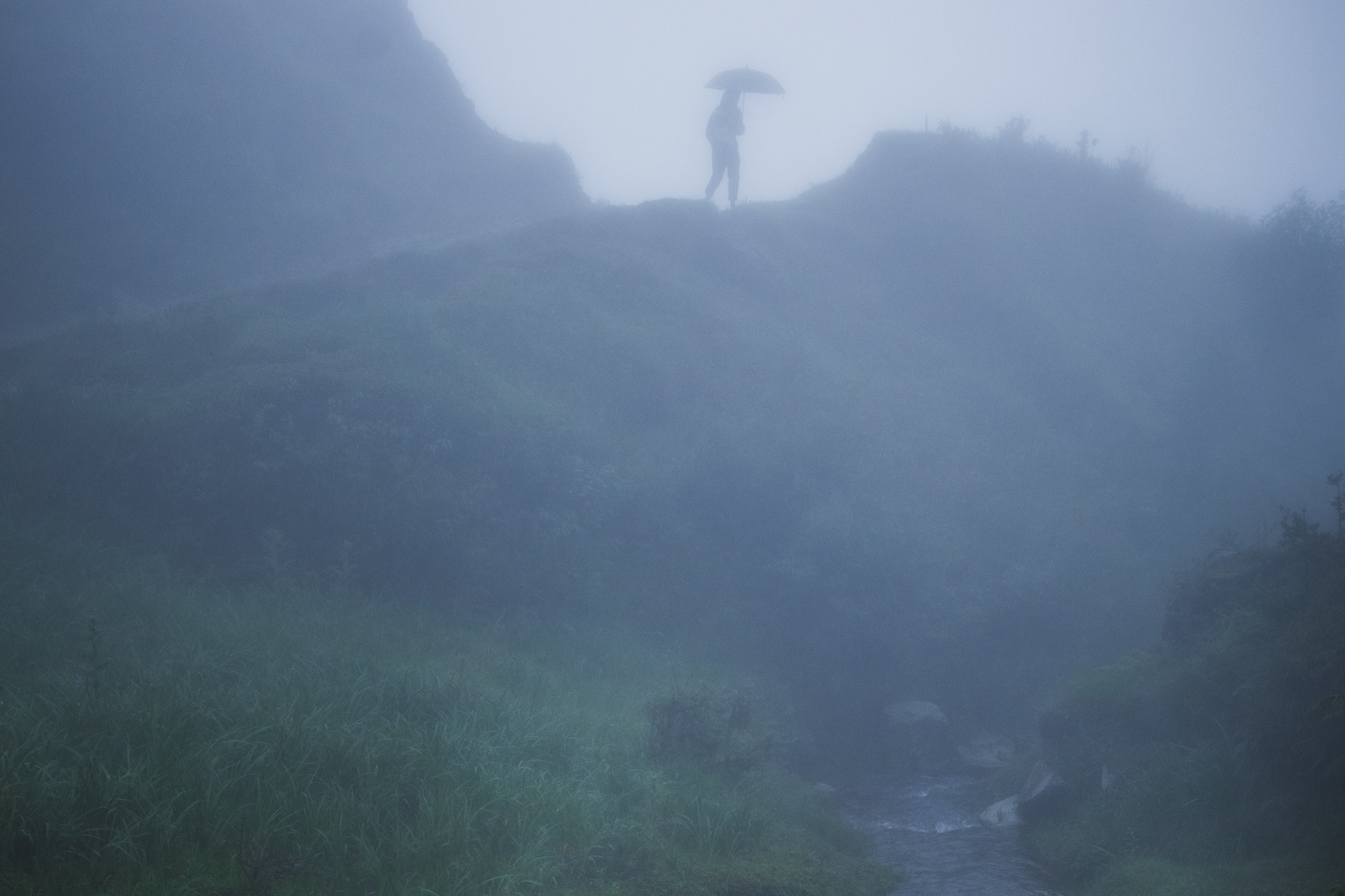
“She stood as gargantuan figure facing the waterfall, long curls of hair covering her till the toes. As if she was dressed in white with few beads like ornament that I hadn't seen being worn by anyone. She also held a Kombi, a traditional knife. Only it's only me hiding behind a bush; petrified in silence and the thrushing force of water that echoes around with minute water droplets.” says Sancha Man Rai a Khambu Shaman residing in the hamlets of Kalimpong.
Read More Jun 24 2025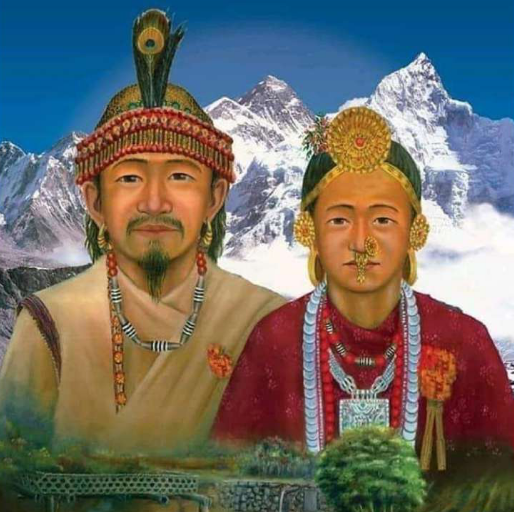
Historically there are no concrete evidences of the exact origin of the Rai community. With the help of folklores and researches historians conclude that the Rai people belonged to the 'Kirat Desh”. The dynasty is believed to have been located in modern Nepal which was then divided into “Wallo Kirat" ,"Mahja Kirat" and "Palo Kirat" which mean near Kirat, middle Kirat and far Kirat respectively. The term ‘Kirati" is an umbrella term which encompasses the different ethnic groups which resided in the Eastern Himalayas like "Limbu”, "Yakkha" and "Sunuwar” . Rai is one from these different ethnic groups which have various similarities but also have their own unique culture, religion,festivals and language. However, the term Rai is also an umbrella term for the different types of Rais that are divided for different reasons. The different tribes that Rai people belong to is known as a "Thar".
Read More Aug 04 2025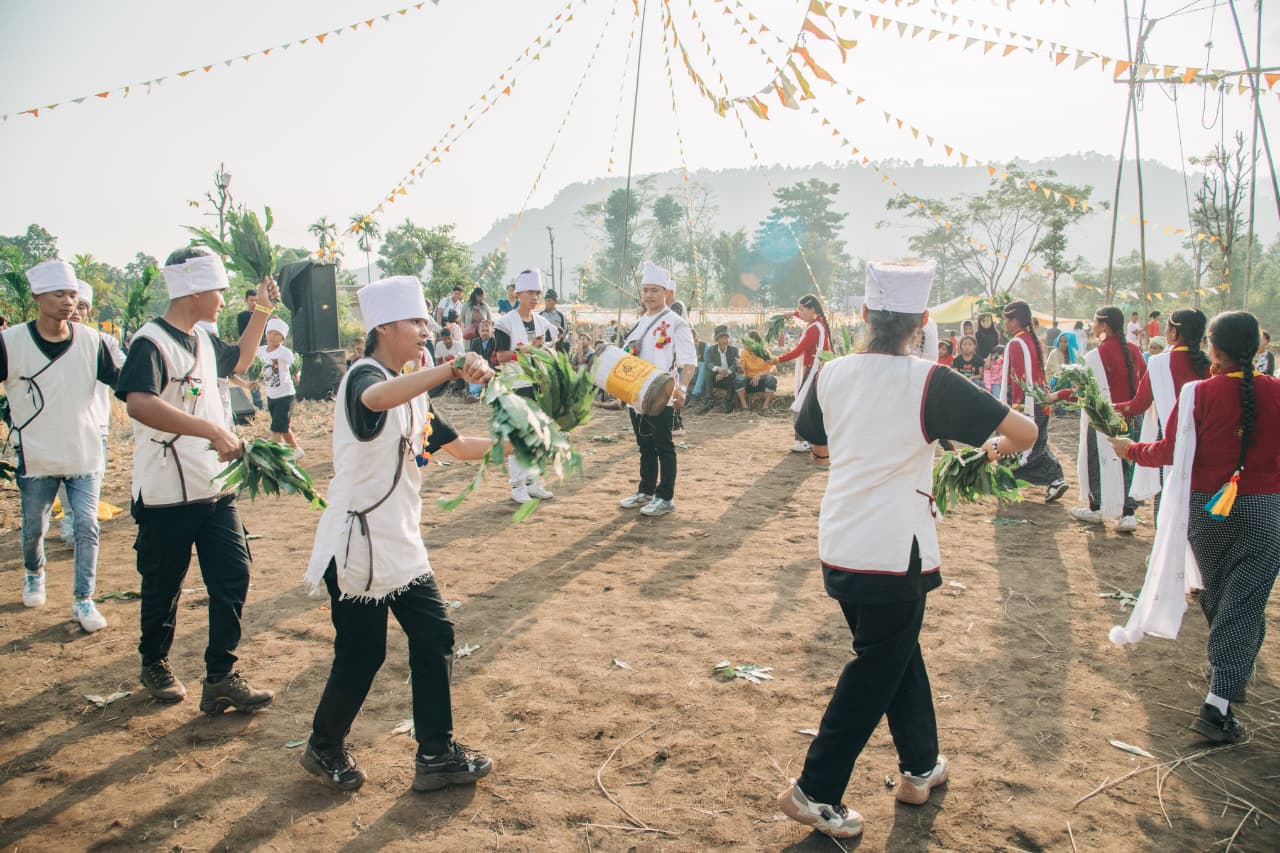
Historically there are no concrete evidences of the exact origin of the Rai community. With the help of folklores and researches historians conclude that the Rai people belonged to the 'Kirat Desh”. The dynasty is believed to have been located in modern Nepal which was then divided into “Wallo Kirat" ,"Mahja Kirat" and "Palo Kirat" which mean near Kirat, middle Kirat and far Kirat respectively. The term ‘Kirati" is an umbrella term which encompasses the different ethnic groups which resided in the Eastern Himalayas like "Limbu”, "Yakkha" and "Sunuwar” . Rai is one from these different ethnic groups which have various similarities but also have their own unique culture, religion,festivals and language. However, the term Rai is also an umbrella term for the different types of Rais that are divided for different reasons. The different tribes that Rai people belong to is known as a "Thar".
Read More Aug 20 2025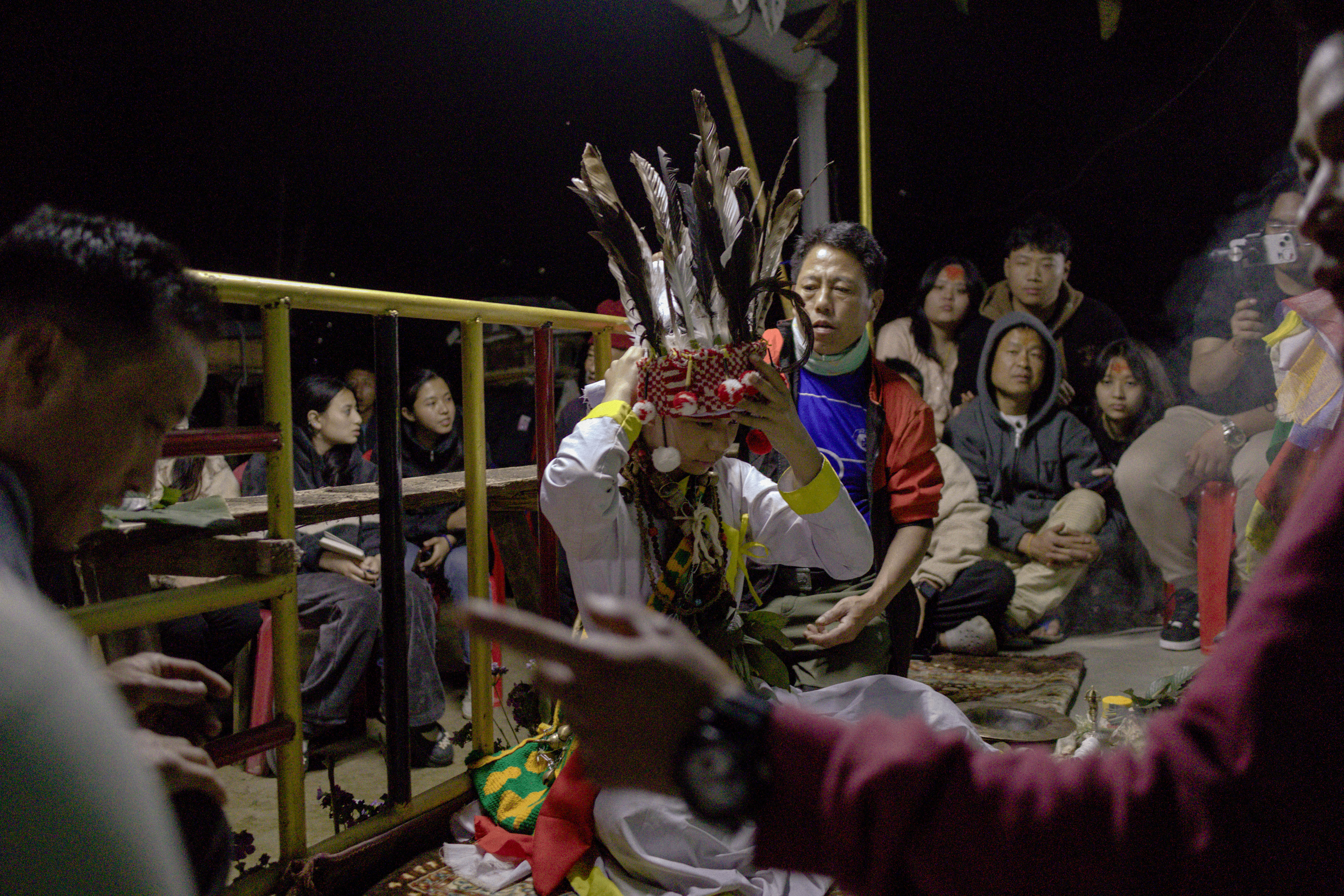
Shamanism in the Rai community is inherently animistic with significant emphasis on the worship of ancestors , bearing similarities to the Native American , Aboriginal and African traditions.
Read More Feb 13 2026