The Indigenous People of Darjeeling: Kirat Khambu Rai:
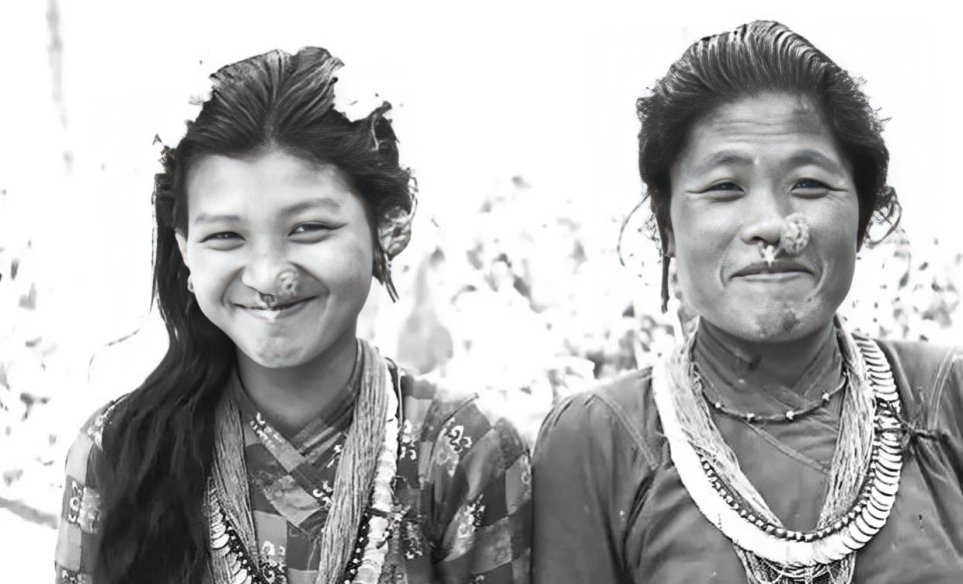
The Darjeeling Hills, nestled in the Indo-Himalayan region, embody a fascinating blend of geographical, historical, and cultural influences. This region, positioned at the border of India and Nepal in the upper reaches of northeastern West Bengal, is home to a diverse mix of communities. Among them, the Kirat Khambu Rai people stand out—not merely as a single ethnic group but as a federation of clans with a deeply rooted history in these mountains.
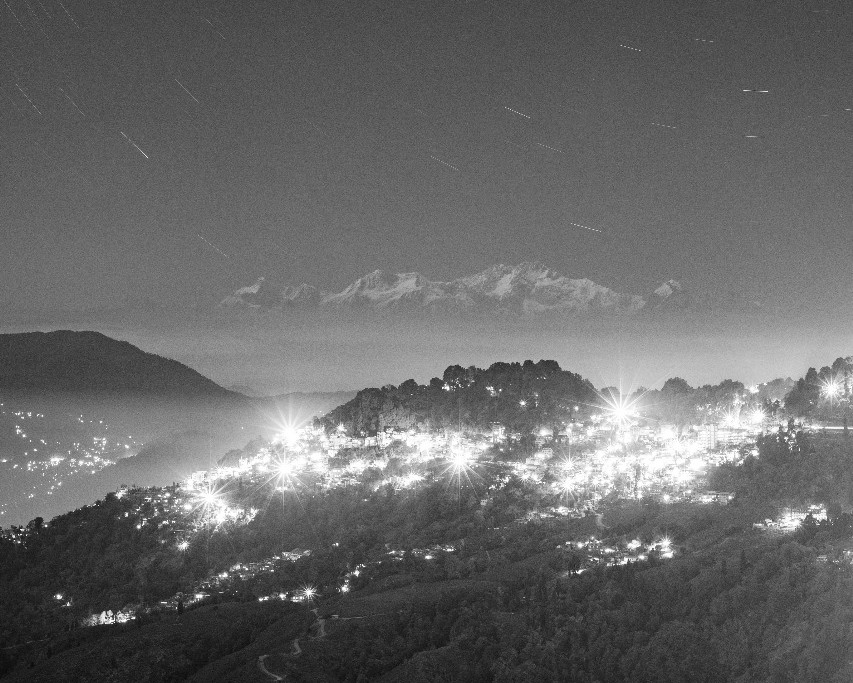 Photo by Adarsh Rai
A Community of Many Identites:
The Khambu Rai are unique in that they do not belong to one singular lineage. Instead, their identity is spread across various clans (thar), which are further divided into sub-lineages (pachha) and social groups (samait). The complexity of their kinship structure has made it nearly impossible to document an exhaustive list of Rai clans. As in early 1896, Sir Eden Vansittart noted that new clans continuously emerged later, making it an impossible count.
Mythology and Migration: The Kirat Brothers:
A recurring theme in Rai mythology is the story of four Kirat brothers. According to oral traditions, the first three—often identified as Rai, Limbu, and Yakkha or Sunuwar—settled in the Himalayas, while the fourth remained in the lowlands. The name "Kirat" itself originates from the Sanskrit term "kirāta," historically used to describe mountain and forest dwellers. Over me, however, it evolved into a distunct ethnic identity
The Rai people were originally semi-nomadic, relying on shifting cultivation and hunting—a practice that still holds spiritual significance in their culture. They are believed to have migrated through the Terai plains, following the Sapta Kosi River, before settling in the mountainous regions at altitudes of 1,000 to 2,000 meters. Over time, they transitioned to terraced farming and cattle rearing, becoming deeply connected to their land. Despite their strong territorial roots, many Rai have migrated over the centuries, spreading across the Terai plains, Sikkim, and Darjeeling.
The Rai Presence in Darjeeling: Three Perspectives
One of the most intriguing aspects of Kirat Khambu Rai history is their presence in Darjeeling. Theories about their migration vary widely, but researchers generally recognize three dominant perspectives:
1. Migration from Nepal: Some scholars believe the Rai originally hailed from Nepal and migrated to Darjeeling in the late 18th century, following political upheavals
2. 19th-Century Migration: Another school of thought suggests that the Rai arrived in Darjeeling during the early 19th century, coinciding with the region's economic and infrastructural development under British rule.
3. Aboriginal Presence: A third theory, supported by historian Dr. Shiva Kumar Rai, asserts that the Rai have lived in Darjeeling since ancient times. He cites the 1891 Sikkim census, which documented a significant Rai population—far too numerous to have migrated solely in the previous few decades. He further argues that before British colonization, territorial boundaries between Nepal, Sikkim, and India were fluid, making it likely that the Rai were indigenous to Darjeeling long before colonial-era migrations
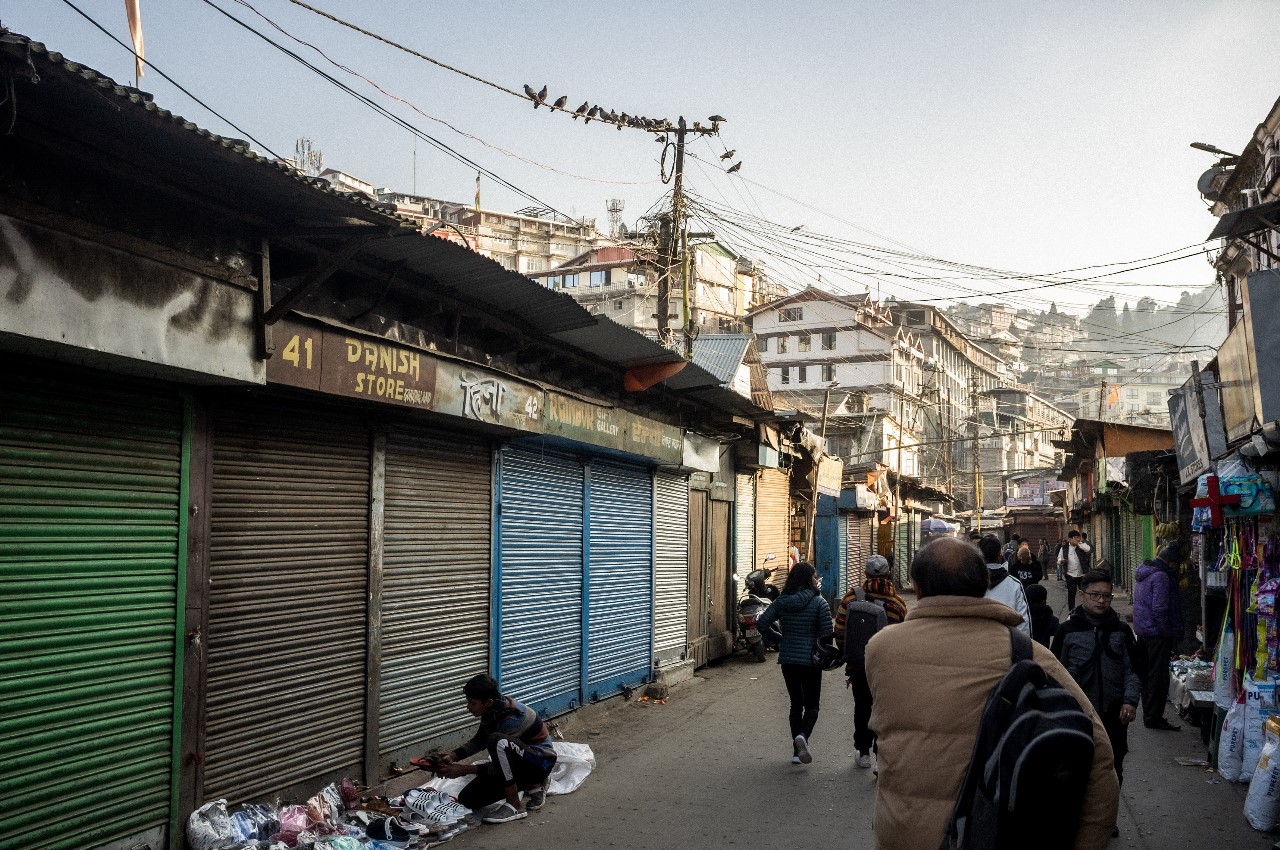 Photo by Adarsh Rai
The Name "Darjeeling": A Rai Connection?
An intriguing linguistic theory suggests that "Darjeeling" may have roots in the Khambu dialect. Oral traditions among eastern Nepalese Khambus claim that a large flat stone existed near present-day Chowrasta or Chowk Bazar, where Rai ancestors would gather for discussions. They referred to this stone as "Tajeelung," derived from "Tajee" (conversation) and "Lung" (stone). Over time, this evolved into "Darjeeling."
Other Rai folktales suggest variations of this etymology. Some claim that "Durjeeling" originated from "Dowalung," referring to a massive stone where Rai elders shared their life experiences (Dowah). Another legend describes "Dewalung," meaning "Grandfather of all Rocks," as the original name of the area. These linguistic links lend weight to the idea that the Rai may have lived in Darjeeling long before recorded history.
A Legacy that Continues
While it is true that not all Rai in present-day Darjeeling are indigenous to the region—many did arrive after Nepal's unification under Prithvi Narayan Shah or the Gorkha-Sikkim war—dismissing their ancestral presence would be historically inaccurate. The evidence suggests that while waves of Rai migration occurred at different times, a section of their community has likely called the Darjeeling Hills home for centuries.
As the Indo-Himalayan region continues to evolve, the Kirat Khambu Rai remain an essential part of its cultural and historical fabric. Their traditions, folklore, and linguistic influences are embedded in the very essence of Darjeeling, reminding us that history is not just a record of events but a living, breathing narrative shaped by the people who inhabit it.
Reference:
TA Study of the History and Culture of the Rai Community of Darjeeling Hills (1830-1947) by Shristi Rai (Department of history, Sikkim University)
‘Following the Ancestors and Managing the Otherness’ by Grégoire Schlemmer.
Khambu Rai: Narratives and Perspectives by Pradeep Rai