"Harmony in Heritage: Exploring the Varied Clans OF RAI (KHAMBUS) Community"
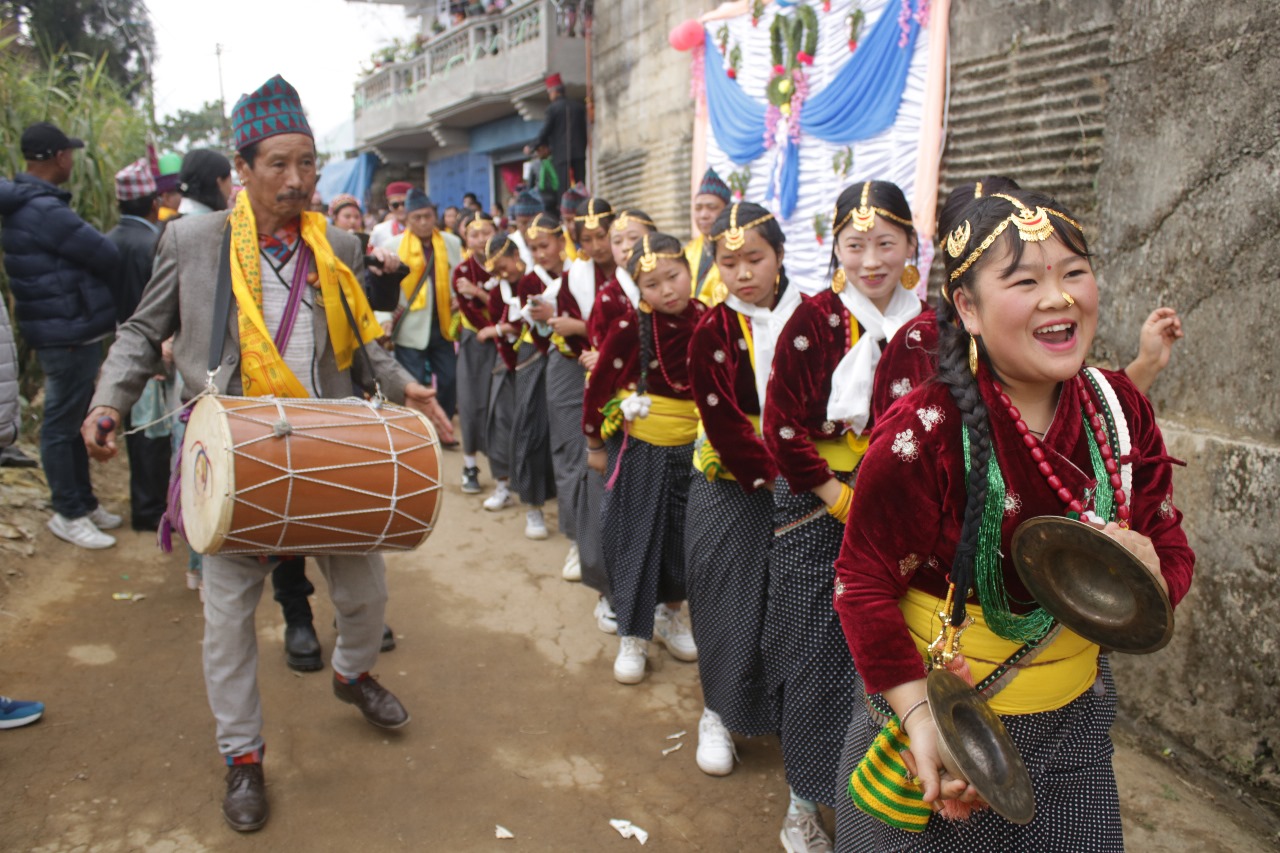
Nepali proverbs such as “Jati Rai tyeti kura” (as many Rais, as many dialects) and “Dus Rai, Das Bhasa: Ek chula” (many Rais and many languages, but one hearth) reflect the internal diversity of the Khambu Rai group. This diversity is most evident in their clan structure, languages, customs, and traditons.
Khambus are not a single group but a collection of many tribes or clans (called thar), and each clan is further divided into smaller groups like pachha (lineage) and samait (class). Their culture and social structure are mostly the same, but different subgroups have some noticeable differences
New clans can be formed for many reasons, like moving to a new place or marrying into another clan. Because of this, it is very hard to make a complete and final list of all the Khambu clans. Different researchers have given different numbers over time. For example:
Campbell (1840) and Hodgson (1858) listed 28 clans.
Sir Herbert Risley (1891/1981) counted about 57 clans.
Vansittart (1896) found 45 clans.
John Morris (1933/1993) mentioned 73 clans, including the Yakkha.
Kirati Khambu Rai Sanskritik Sansthan (KKRSS) in 2004 mentioned 37 clans.
CNAS (Centre for Nepal and Asian studies (Purvaka Rai haru) : 28 Thar
So, the number of Khambu clans is still debated, and no one agrees on an exact number
"THAR"
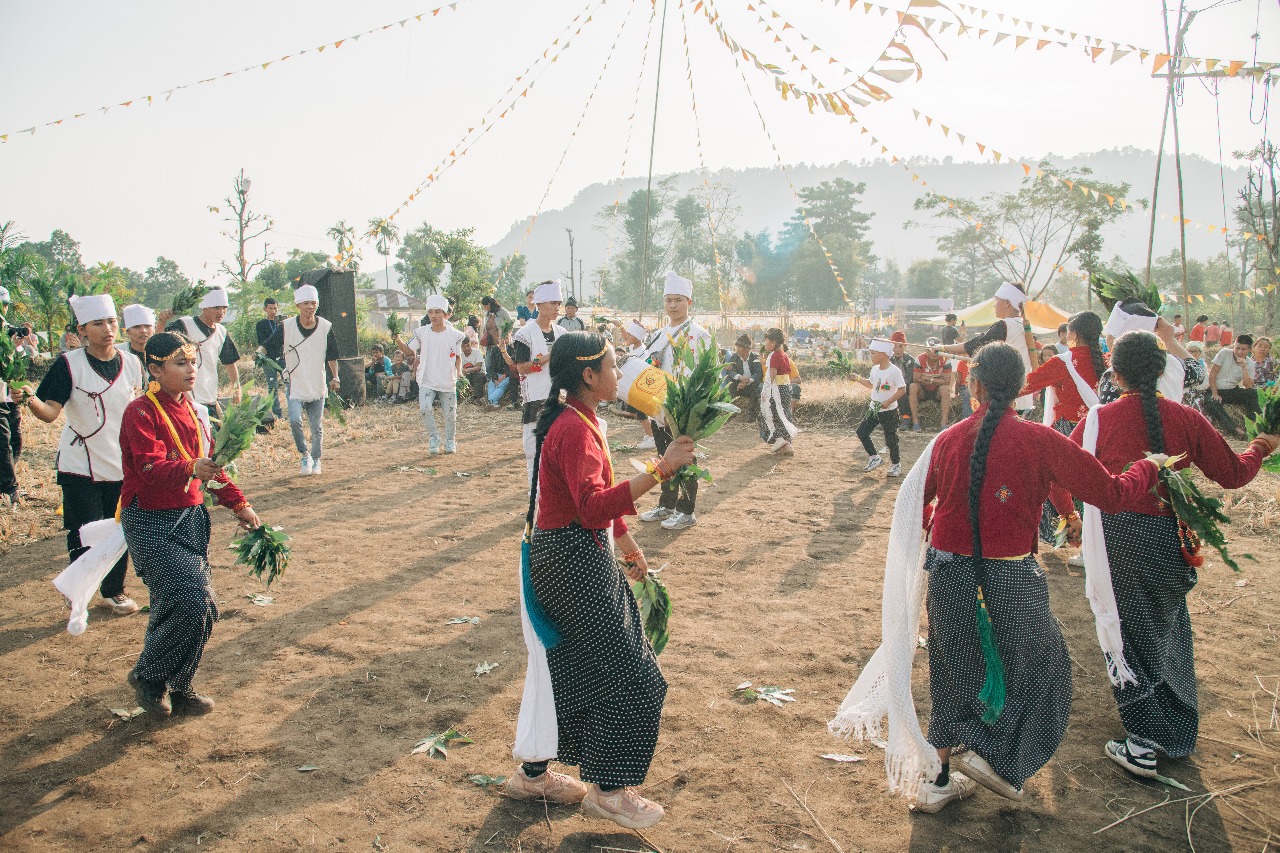
"Thar"means a clan or family group hat comes from the same ancestor in the past. It is an important part of the Khambu Rai community and helps organize how people live, marry, and follow traditions. People from the same thar believe they are from the same family line, even if they don’t know all the details. Members of the same thar are considered to be relatives and are not allowed to marry each other, following the rule of clan exogamy (marrying outside one’s own clan).
While the exact number of thars can vary due to historical developments and regional differences, some of the more prominent and widely recognized thars within the Khambu Rai community include:
Bantawa
Chamling
Khaling
Kulung
Thulung
Lohorung
Jayrung
Tilung
Bayung/Bahing
Puma
Yamphu
Dumi
Nachhering
Dewas
Koyu/Koyee
Maywahang/Naywahang/Nayhang
Sampang/ Sangpang
Fangduwali
Mugali
Dungmali
Chhintang
Wambulay/Ambulay
Athpahariya
Tsukwa/Pohing
Bunglawa
"PACHA"
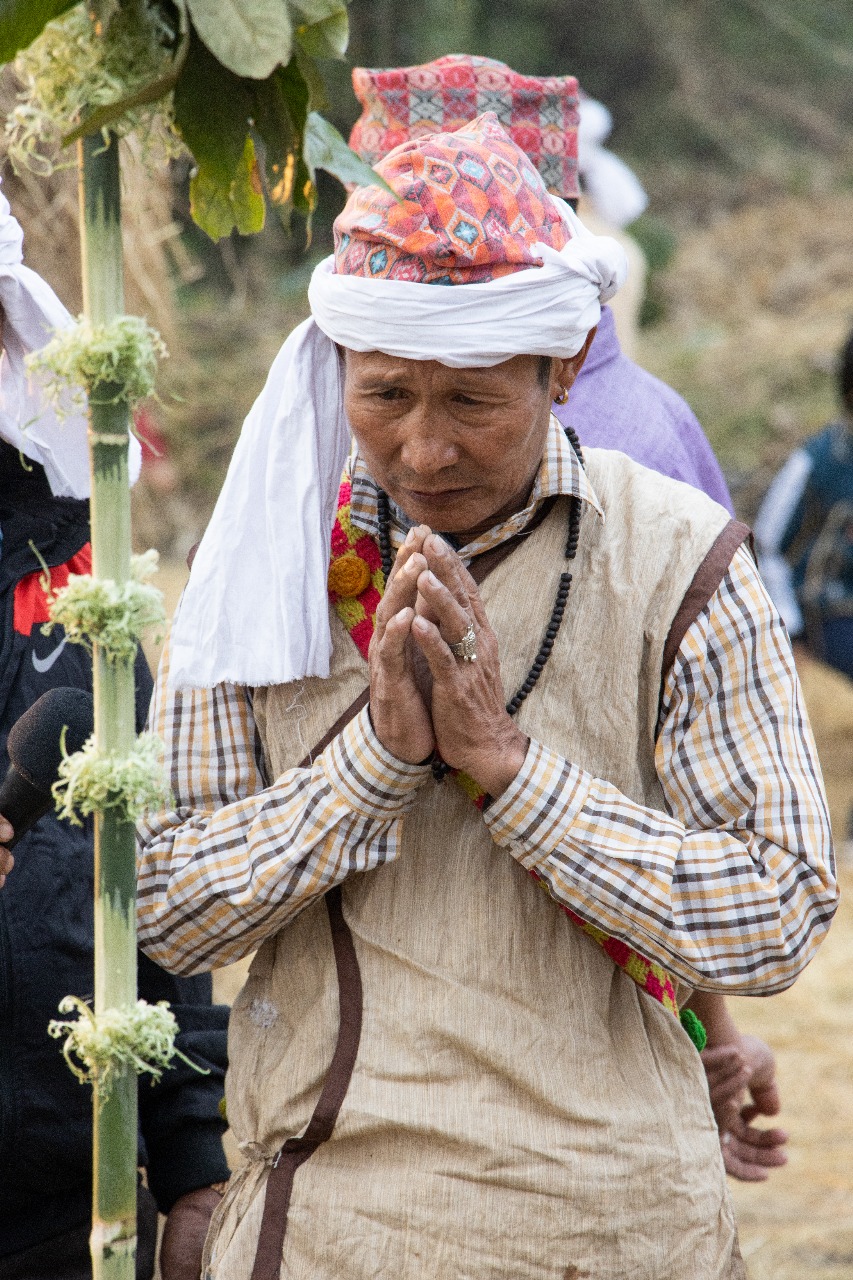
In the Rai community, people are divided into large family groups called Thars, and each Thar is further divided into smaller family groups called Pachas. In Bantawa Rai language, PAPA means Father and CHA means Son (PA= Father and CHA= Son). When combined, Pacha represents the family line that is passed down from father to son, then to grandson, great-grandson, and so on for many generations. This Pacha system works like a family title or bloodline and helps track the genetic connection within the Rai community. Because of this, two people who have the same Pacha are not allowed to marry. This is because they share the same ancestors and family blood, which means they are closely related. In Rai tradition, the Pacha and Samet are seen as the same as DNA or genes in the blood. Marrying someone with the same Pacha can lead to inbreeding, which may cause serious health problems such as: Birth defects, Miscarriages, Stillbirths, Infant deaths, Stunted growth, shorter life expectancy. So it is important to enquire Thar, Pacha and Samet of bride and bridegroom before marriage. Also, it is very important to know family history background up to seven generations from male side and up to three generations from female side for various purposes in Rai traditions and customs.
"SAMET"
In the Rai tribe, along with Thar (clan) and Pacha (family line), there is another important part of their social and cultural system called Samet. Samet shows a person’s blood connection to their first ancestor, also called their original ancestor or proto-ancestor. SAMET is further divided into two types: Hongchi Samet and Sichi Samet. Hongchi Samet refers to the Samet of living people, both male and female, and is commonly used in everyday life and important ceremonies like weddings. On the other hand, Sichi Samet belongs to those who have passed away and is especially used during rituals that honour ancestors, such as Mang Sewa, and during funerals. The Sichi Samet of the deceased is used to call upon the ancestral spirits and guide the soul of the person who has died. The ritual helps the soul join the world of the ancestors, where it finds peace and continues with the souls of earlier family members.
Reference:
Wikipedia: Rai PeopleSmriti Rai: Significance of “thar” in the Social Structure of the Khambu Rais: Some Observations
Worrel Kumar Bain:An Anthropological Venture into the Rai Community of Darjeeling Hills, West Bengal, India
Ram Kumar Rai: Ancestral Rites, Clans and Cultures of Khambus of Khambuwan
Balaram Rai: Khambus (RAIS) Their Retold Accounts
KIRAT Mundhum Study Centre's post